Uncategorized

AC Water Leakage Causes and Fixes
Uncategorized

AC Water Leakage: Causes and Fixes

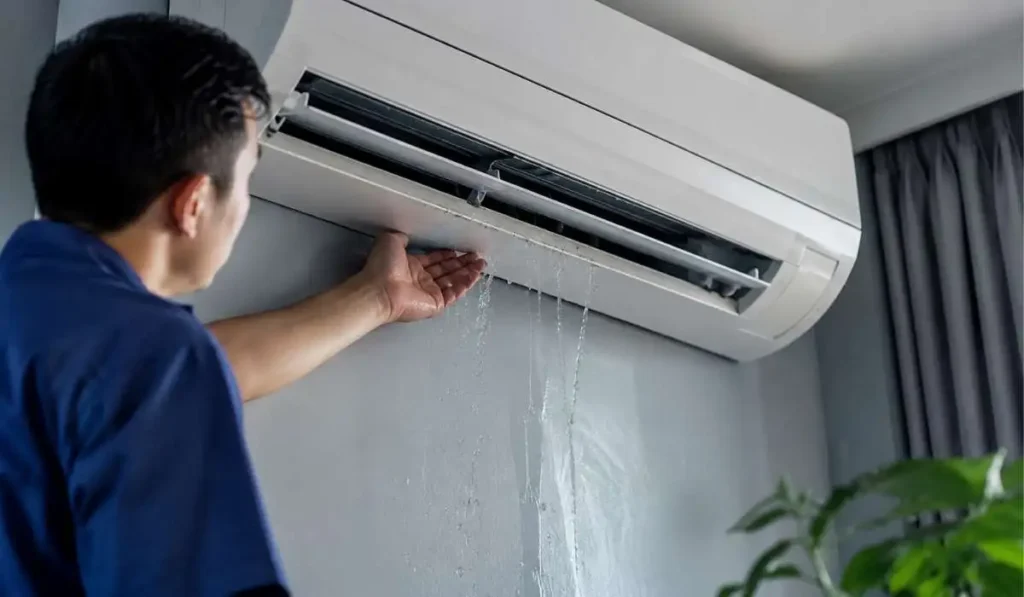
AC Water Leakage: Causes and Fixes Home Blog AC Water Leakage: Causes and Fixes Water pooling around your AC unit is a common problem, but it is often ignored until it causes wall, ceiling, or floor damage. In Dubai, high humidity can increase condensation and put extra pressure on an air conditioner’s drainage system. A clogged condensate drain line, dirty air filter, frozen evaporator coil, damaged drain pan, or improper installation can all cause water to leak from an AC. In this guide, we’ll explain the most common causes of AC water leakage by AC type, including central, window, wall-mounted, and ductless systems. You’ll also learn which AC leaks you can troubleshoot safely, what signs may indicate a serious problem, and when to call Bluebix Technical Services for professional AC inspection and repair. Why Is My AC Leaking Water? An AC usually leaks water because of a clogged condensate drain line, dirty air filters, low refrigerant levels, a damaged drain pan, or improper installation. These problems can restrict airflow, freeze the evaporator coil, or prevent condensation from draining properly. The right AC water leakage solution depends on the cause, from cleaning the drain line or filter to repairing damaged components or correcting installation. Common Causes of AC Water Leakage AC water leakage can start with a simple drainage issue or point to a deeper cooling-system problem. Here are the most common causes to check first. Clogged Condensate Drain Line A clogged condensate drain line is one of the most common reasons an AC starts leaking water indoors. Dust, dirt, algae, mold, and other debris can build up inside the drain pipe and block normal water flow. As condensation collects in the drain pan, it has nowhere to go, so the water backs up and eventually overflows around the indoor AC unit. Dirty Air Filters Dirty or clogged air filters can restrict the airflow moving through your air conditioner. When there isn’t enough warm air passing over the evaporator coil, the coil can become too cold and freeze. Once the ice melts, it may create more water than the drainage system can handle. Regular AC filter cleaning or replacement helps maintain proper airflow and reduces the risk of water leakage. Low Refrigerant Levels Low refrigerant levels can cause the evaporator coil to become unusually cold, leading to ice buildup. When that ice eventually melts, a large amount of water can enter the drain pan and overwhelm the drainage system. Low refrigerant may also indicate a refrigerant leak, so simply adding gas isn’t always the answer. A qualified HVAC technician should check the system, locate the issue, and perform a professional refrigerant recharge when needed. Damaged or Rusty Drain Pan The drain pan collects condensation from the evaporator coil before it flows through the condensate drain. Over time, corrosion, rust, cracks, or physical damage can leave the pan unable to hold water properly. Instead of reaching the drain pipe, water may escape underneath the indoor AC unit and damage nearby walls or ceilings. A damaged pan usually needs professional repair or replacement to restore proper drainage. Improper Installation or Incorrect Tilt An incorrectly installed AC unit may not have the proper tilt or positioning needed for condensation to drain correctly. If the indoor unit is angled the wrong way, water can remain inside the pan instead of flowing toward the drain outlet. This problem is sometimes seen with DIY or budget installations. Correcting the unit’s position, drainage connection, or installation can prevent recurring AC water leakage. AC Water Leakage by Unit Type The cause of an AC leak can vary depending on the system, so identifying the unit type helps narrow down the right fix quickly. Split AC Water Leakage: Causes and Fixes Split AC water leakage often starts at the indoor unit. A clogged drain line can stop condensation from flowing away, while dirty filters restrict airflow and may cause the evaporator coil to freeze. An incorrect indoor unit tilt can also prevent proper drainage. These issues are especially common in Dubai villas and apartments. Cleaning the filter and drain line may solve minor leaks, but persistent leakage should be checked by an HVAC professional. Window AC Water Leakage: Causes and Fixes Window AC water leakage is often linked to incorrect installation. The unit should have a slight outward tilt so condensation can drain outside rather than collect indoors. A clogged drain pan can also cause water to back up, while dirty coils or filters may contribute to excess condensation and poor airflow. Checking the installation angle, cleaning the drain pan, and keeping the coils and filter clean can help restore proper drainage. Central AC Water Leakage: Causes and Fixes Central AC water leakage can be caused by a clogged condensate line near the air handler, a frozen evaporator coil, or an overflowing or damaged drain pan. Because central systems have larger components and less accessible drainage points, finding the blockage or coil problem may require professional access. An HVAC technician can inspect the condensate system, check airflow and refrigerant levels, and repair the underlying issue before water damage spreads. Causes and Fixes at a Glance Cause Unit Type & Quick Fix Clogged condensate drain line All AC types: Clear the blockage using a wet/dry vacuum or suitable drain-cleaning method. Dirty air filter All AC types: Clean or replace the filter to restore proper airflow. Low refrigerant levels Split & Central AC: Have a qualified HVAC technician check for leaks and recharge the refrigerant. Damaged or rusty drain pan Window & Central AC: Inspect the pan and replace it if cracked or badly corroded. Improper installation or tilt Window & Split AC: Reinstall or adjust the unit to allow condensation to drain properly. Is Water Dripping From an AC Dangerous? A small amount of AC condensation is normal, but steady or unexplained water dripping shouldn’t be ignored. Ongoing AC water leakage can encourage mold and mildew, stain or damage walls and ceilings, and create electrical hazards if water reaches nearby
Why Is My AC Blowing Warm Air
Uncategorized

Why Is My AC Blowing Warm Air

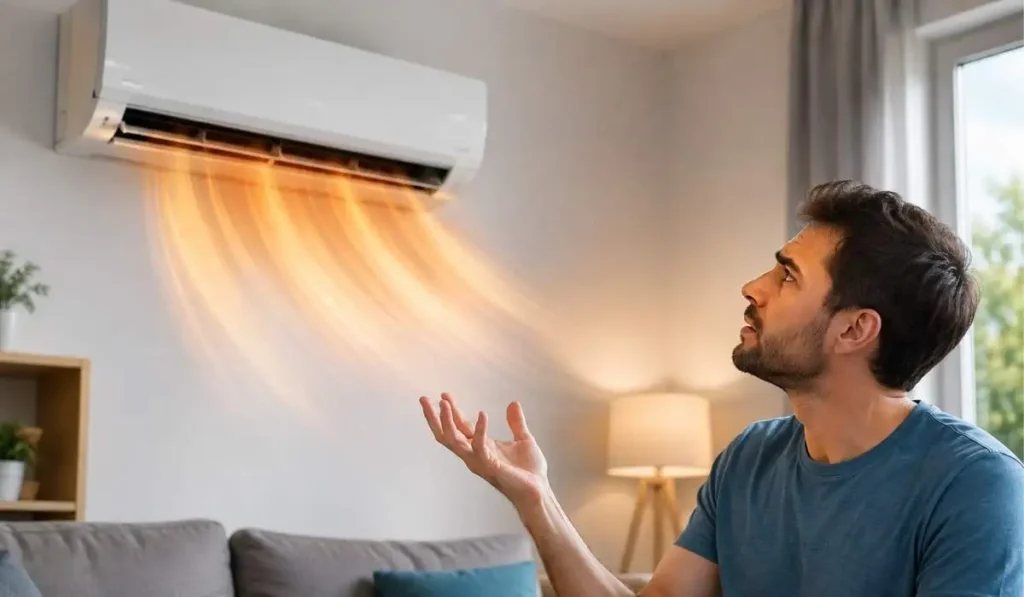
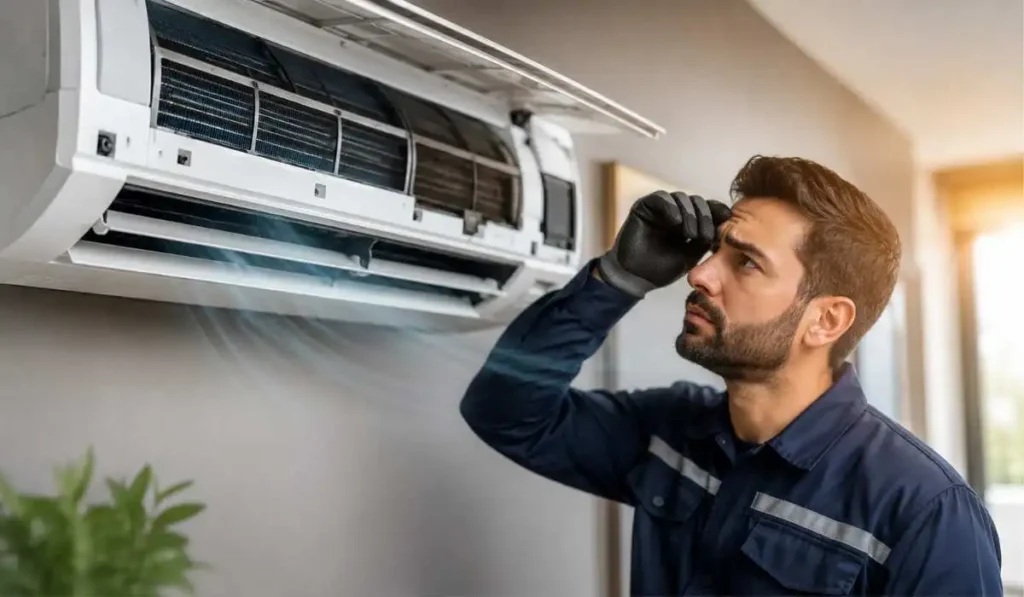
Why Is My AC Blowing Warm Air? (Common Causes & Fixes in Dubai) Home Blog Why Is My AC Blowing Warm Air? (Common Causes & Fixes in Dubai) Nothing is more frustrating than turning on your AC during Dubai’s intense heat only to feel warm air coming from the vents. Whether your air conditioner is running but not cooling, the airflow feels lukewarm, or the outdoor unit isn’t working properly, the problem can have several causes. Bluebix Technical Services helps homeowners identify common AC cooling issues and get the right solution before a small fault becomes a costly repair. In this guide, we’ll explain why your AC may be blowing warm air instead of cold, from incorrect thermostat settings and dirty air filters to low refrigerant, frozen evaporator coils, condenser problems, electrical faults, and compressor issues. You’ll also learn what you can safely check yourself and when it’s time to call a professional AC technician in Dubai. How Does an AC Actually Cool the Air? An AC cools your home by circulating refrigerant through a continuous cooling cycle. The evaporator coil absorbs heat from indoor air, while the refrigerant carries that heat toward the outdoor unit. The compressor then pressurizes the refrigerant before the condenser releases the absorbed heat outside. When this cycle works properly, cool air returns through your vents. Top Reasons Your AC Is Blowing Warm Air in Dubai Several AC problems can reduce cooling performance, from simple thermostat issues to refrigerant, airflow, condenser, or compressor faults. Thermostat Set Incorrectly If your thermostat is accidentally set to Heat or Fan Only, your AC may blow warm or room-temperature air. Dead thermostat batteries or a miscalibrated thermostat can also cause incorrect temperature readings and prevent proper cooling. Dirty or Clogged Air Filter A dirty or clogged AC air filter restricts airflow, making it harder for the evaporator coil to absorb heat and potentially causing it to freeze. Dubai’s dust and frequent airborne particles can make filters dirty faster, reducing airflow and cooling efficiency. Low Refrigerant or Refrigerant Leak Refrigerant absorbs heat from indoor air, so low refrigerant levels or a refrigerant leak can leave your AC blowing warm air. Refrigerant leaks should be located and repaired by a qualified technician rather than attempting a DIY refrigerant refill. Dirty or Blocked Outdoor Condenser Unit The outdoor condenser needs clear airflow to release heat from your AC system. Dubai’s dust, sand, and occasional sandstorms can build up around condenser coils, especially on rooftop units, restricting heat transfer and causing poor cooling. Frozen Evaporator Coil A frozen evaporator coil can result from restricted airflow, a dirty filter, or low refrigerant. As ice builds up on the coil, it prevents proper heat absorption, so the system may blow warm air until the coil is safely thawed and the underlying problem is diagnosed. Compressor Failure The compressor is often considered the heart of an air conditioning system because it circulates refrigerant through the cooling cycle. If the compressor fails or cannot start, refrigerant circulation can stop, resulting in little or no cooling. Blocked or Leaking Ductwork Blocked, damaged, or leaking ductwork can prevent cool air from reaching your rooms effectively. This can be particularly noticeable in villas and older buildings where aging ducts, poor insulation, or air leaks may reduce airflow before it reaches the vents. Faulty Capacitor or Electrical Components A faulty capacitor, contactor, wiring connection, or other electrical component can prevent the compressor or condenser fan from starting correctly. When these components fail, the indoor fan may continue running while the AC produces little or no cool air. Common Causes at a Glance Cause Sign & What to Do Thermostat Set Incorrectly Warm/room-temperature air. Check Cool mode, temperature, Fan setting, and batteries. Dirty Air Filter Weak airflow or frozen coil. Clean or replace the AC filter. Low Refrigerant / Leak Warm air, ice, or poor cooling. Call a professional for leak detection and refrigerant service. Dirty Outdoor Condenser AC struggles to cool due to dust and sand buildup. Clear debris and arrange professional cleaning if needed. Frozen Evaporator Coil Ice buildup and weak/warm airflow. Turn the system off and get the underlying issue diagnosed. Compressor Failure Outdoor unit may not cool or start properly. Professional compressor testing and repair is required. Blocked / Leaking Ductwork Uneven cooling or weak airflow. Have the ducts inspected and repaired. Faulty Capacitor / Electrical Parts AC struggles to start, hums, or outdoor fan won’t run. Call an AC technician for electrical diagnosis. Quick DIY Checks Before You Call a Technician Check the Thermostat Mode: Make sure your AC is set to Cool rather than Heat or Fan Only, and set the temperature below the current room temperature. Check or Replace the Air Filter: A dirty or clogged filter can restrict airflow and contribute to poor cooling or a frozen evaporator coil. Check the Breaker and Power: Check whether the AC circuit breaker has tripped and make sure the outdoor unit is receiving power. Clear Debris Around the Outdoor Unit: Remove leaves, dust, and loose debris around the condenser, but avoid touching electrical components or internal parts. Don’t Refill Refrigerant Yourself: Low refrigerant may indicate a leak. Refrigerant handling and leak repairs should be performed by a qualified AC technician. When to Call a Professional AC Repair Technician in Dubai Some AC problems require proper testing, specialized tools, and safe handling of electrical and refrigerant components. If your AC continues blowing warm air after basic checks, it’s best to have a professional diagnose the underlying fault. Hissing Sound or Refrigerant Leak: Hissing sounds or signs of a refrigerant leak require professional leak detection and repair. Avoid attempting a DIY refrigerant refill. Ice on the AC Unit: Ice on the evaporator coil or refrigerant lines can indicate restricted airflow or low refrigerant and needs proper diagnosis. No Cooling After Basic Checks: If the thermostat, filter, breaker, and outdoor unit have been checked but your AC still isn’t cooling, professional troubleshooting is recommended. Burning Smell or Electrical Problem:

AC Not Cooling Causes and Solutions
Uncategorized

AC Not Cooling: Causes and Solutions

AC Not Cooling? Common Causes and Solutions in Dubai Home Blog AC Not Cooling? Common Causes and Solutions in Dubai Your AC is running, but the room is still hot? In Dubai’s intense heat, an air conditioner that stops cooling properly can quickly become uncomfortable. From weak airflow and dirty filters to low refrigerant or compressor problems, several issues can affect cooling performance. At Bluebix Technical Services, we help identify common AC cooling problems and provide reliable solutions to restore efficient cooling. Whether your AC is blowing warm air or simply not cooling enough, understanding the cause can help you get the right repair faster. Common Reasons Your AC Is Not Cooling Dirty Air Filter: A clogged filter can restrict airflow and reduce cooling. Low Refrigerant: Low AC gas or a refrigerant leak can prevent proper cooling. Dirty Coils: Dirty evaporator or condenser coils can reduce cooling efficiency. Thermostat Fault: Incorrect settings or a faulty thermostat may affect temperature control. Compressor Issue: A failing compressor can stop the AC from producing cold air. Blocked Airflow: Blocked vents, ducts, or outdoor units can restrict airflow and reduce cooling. Signs Your AC Isn’t Cooling Properly Warm Air From Vents: Your air conditioner may blow warm or room-temperature air instead of the cold air needed to cool your space. Weak Airflow: Low or restricted airflow from the vents can indicate a dirty air filter, blocked ductwork, or a blower fan problem. AC Runs Constantly: If your AC runs continuously but cannot reach the thermostat setting, it may have a refrigerant, coil, compressor, or airflow issue. Uneven Cooling: Some rooms may feel comfortable while others remain hot, often due to blocked vents, duct leaks, poor air circulation, or an improperly balanced system. Ice on Pipes or Coils: Ice buildup on refrigerant lines or the evaporator coil can be a sign of restricted airflow, low refrigerant, or another cooling-system problem. Unusual Noises: Buzzing, clicking, hissing, or grinding sounds may point to a faulty fan motor, electrical component, compressor, or refrigerant leak. Top Causes of AC Not Cooling in Dubai Dubai’s extreme heat, dust, and long AC operating hours can put extra pressure on cooling systems. If your AC is running but not cooling properly, common causes include dirty filters, low refrigerant, blocked airflow, coil problems, thermostat faults, electrical issues, or an aging system. Clogged or Dirty Air Filter Dubai’s dusty environment can quickly clog an AC air filter, restricting airflow and reducing cooling performance. A heavily used system may need filter cleaning or replacement every 2–4 weeks, depending on indoor air quality and dust levels. A clean filter helps maintain proper airflow, cooling efficiency, and comfortable indoor temperatures. Low Refrigerant (Gas Leak) Low refrigerant is often caused by a leak rather than normal gas consumption. When refrigerant escapes, the AC cannot absorb and transfer enough heat, resulting in weak or warm airflow. Simply topping up the AC gas may provide temporary cooling but does not fix the source of the leak. A qualified technician should locate and repair the leak before recharging the system. Dirty Evaporator or Condenser Coils Dust and dirt buildup on the evaporator or condenser coils can interfere with the heat-transfer process. When these coils become heavily contaminated, the AC struggles to absorb indoor heat and release it outside. Regular coil cleaning helps maintain proper airflow, cooling capacity, and overall system efficiency, especially in Dubai’s dusty conditions. Frozen Evaporator Coil A frozen evaporator coil can cause an AC to stop producing cold air and may create ice on the refrigerant pipes. This commonly happens because of restricted airflow from a dirty filter or blower problem, although low refrigerant can also cause the coil to freeze. The underlying issue should be diagnosed before restarting normal operation. Faulty or Miscalibrated Thermostat A faulty or incorrectly calibrated thermostat may not accurately detect the room temperature or communicate the correct cooling demand. Incorrect temperature settings, sensor problems, or dead batteries can cause the AC to cycle incorrectly or run continuously. Checking the thermostat settings and calibration can help identify this type of cooling problem. Compressor Problems The compressor is one of the most important and expensive components of an air conditioning system. If it becomes damaged, overheats, or fails to start, the AC may run without producing adequate cold air. Compressor problems require professional diagnosis because repair or replacement can be costly and should be handled by a qualified AC technician. Blocked Airflow (Vents, Ducts, Blower) Restricted airflow can occur because of blocked vents, dirty ductwork, leaking ducts, or a malfunctioning blower motor. Even when the AC is operating, insufficient air circulation prevents cool air from reaching the room effectively. Checking vents, return grilles, ducts, and the blower can help identify the source of weak airflow. Dirty or Obstructed Outdoor Unit The outdoor condenser unit needs sufficient airflow to release the heat removed from your home. Dust, leaves, debris, or nearby objects can restrict this process and reduce cooling efficiency. Keep the area around the outdoor unit clear, with roughly 60 cm of clearance where possible, to support proper airflow and heat dissipation. Electrical Faults (Capacitor / Fan Motor) Electrical problems can prevent key AC components from operating correctly. A failed capacitor, faulty condenser fan motor, damaged wiring, or loose electrical connection may cause weak cooling or prevent the outdoor unit from running. Because electrical components can be hazardous, diagnosis and repairs should be performed by a qualified AC professional. Clogged Drain Line A clogged condensate drain line can prevent moisture from draining properly and may cause water leakage or system shutdowns. Dirt, algae, and debris can accumulate inside the drain, especially when maintenance is neglected. Professional drain cleaning can restore proper drainage and help prevent moisture-related AC problems. Undersized or Aging AC Unit An undersized AC may struggle to cool a Dubai property, particularly during periods of extreme heat, even when the system is working correctly. Older units can also lose efficiency as components wear out. If an AC is 10+ years old and

Why Does My AC Make Strange Noises Causes and Solutions
Uncategorized

Why Does My AC Make Strange Noises? Causes and Solutions

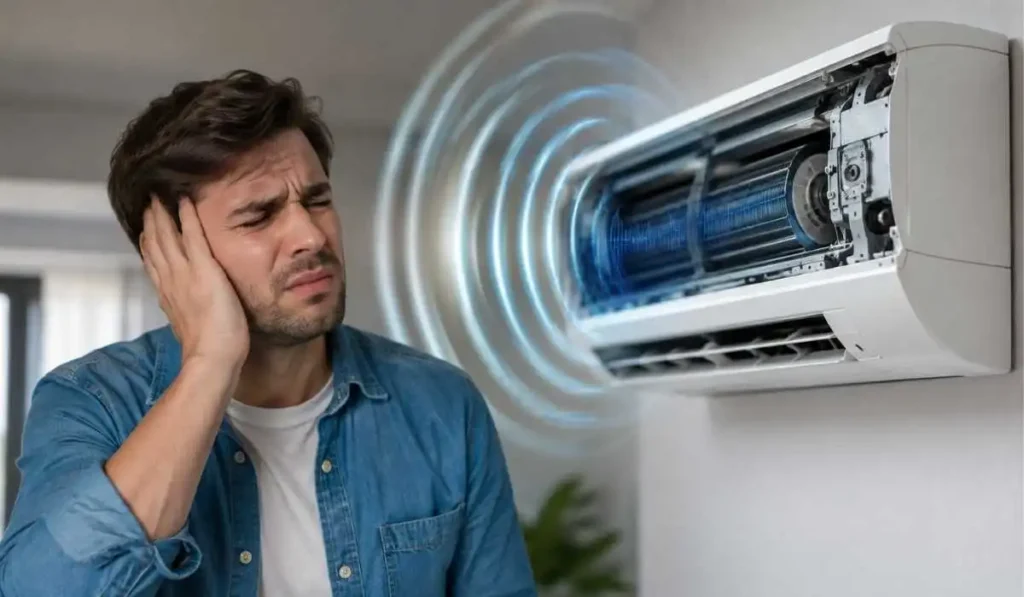
Why does my AC make strange noises? In most cases, unusual sounds such as buzzing, rattling, clicking, grinding, hissing, or banging indicate a problem with your air conditioner. Loose components, a dirty air filter, blocked air ducts, a damaged fan motor, or refrigerant issues can affect normal AC operation. Finding the cause early can prevent expensive AC repair and improve cooling performance. Regular air conditioning maintenance, filter cleaning, duct inspection, and professional HVAC service can help keep your system quiet, energy-efficient, and reliable while extending its lifespan. Quick Noise Guide  AC Noise Possible Cause Buzzing Electrical issue, loose wiring, or faulty fan motor Rattling Loose screws, panels, or debris inside the unit Clicking Faulty relay, thermostat, or electrical component Grinding Worn-out fan motor or damaged moving parts Hissing Refrigerant leak or pressure issue Banging Loose or damaged blower components Whistling Restricted airflow, dirty filter, or duct problem Gurgling Drainage issue or refrigerant problem Squealing Worn belt, bearing, or motor problem Popping Expanding ductwork or temperature changes Common AC Noises and What They Mean  Banging or Knocking Sound A banging or knocking noise usually means a loose, damaged, or unbalanced component inside your AC system. Ignoring it may lead to further damage and more expensive repairs. Buzzing Noise A buzzing AC sound can point to an electrical problem, a failing motor, or a loose component. It is important to identify the source quickly, especially if the noise is loud or continuous. Hissing or Whistling Sound A hissing or whistling sound often indicates restricted airflow or an issue with the refrigerant system. For reliable AC troubleshooting and professional service, contact Bluebix Technical Services. Clicking Sound Occasional clicking when the AC starts or stops can be normal, but continuous clicking may indicate a faulty electrical or mechanical component. Squealing Sound A high-pitched squealing noise can indicate friction or wear in the AC’s moving parts. Addressing it early can help prevent motor or component damage. Rattling Noise A rattling sound often comes from loose parts, debris, or components that have become worn over time. If the noise gets louder, your AC should be inspected to prevent further damage. Humming Noise A soft humming sound can be normal during AC operation, but a loud or unusual hum may indicate an electrical or mechanical problem. Split AC Indoor Unit Making Noise A split AC indoor unit may make unusual noises when its blower, fan coil, mounting, or drainage components become loose, dirty, or damaged. Your split AC may require professional split AC repair if unusual noises continue. Why Is My AC Making Noise Only at Night? AC noises can seem louder at night because the surrounding environment is quieter, making even normal vibrations more noticeable. However, if the noise is new or unusually loud, it may indicate a loose component, airflow restriction, fan issue, or another developing problem. Is It Normal for an AC to Make Noise? This can capture users who aren’t sure whether their AC sound is actually a problem. You can explain the difference between normal sounds like gentle airflow and occasional clicking, versus warning sounds like grinding, banging, sparking, or persistent hissing. How to Fix Hissing Sound From AC Indoor Unit A hissing sound from your AC indoor unit can be caused by airflow restrictions, refrigerant issues, or loose connections. When to Turn Off Your AC Immediately Some AC noises can indicate serious electrical or mechanical problems, so turn off the system immediately if you notice any of these warning signs: When to Call a Professional Call a professional if your AC noise is loud, persistent, or gets worse over time. Strange sounds combined with poor cooling, water leaks, burning smells, or electrical issues should not be ignored. A qualified technician can identify the source and fix the problem safely before it leads to costly damage. Frequently Asked Questions What Causes AC to Make a Buzzing Noise? A buzzing AC may have loose wiring, a faulty capacitor, a failing fan motor, or electrical component problems. Turn off the unit if the buzzing is loud, continuous, or accompanied by burning smells. Why Does My AC Make a Hissing Sound? A hissing sound can result from restricted airflow, refrigerant leaks, or loose connections. If the sound continues or your AC is not cooling properly, have a qualified technician inspect the system. Is It Safe to Run My AC If It’s Making Noise? It depends on the type of noise. Mild airflow sounds may be normal, but grinding, banging, sparking, or burning smells can indicate a serious problem, so turn off the AC and arrange a professional inspection. Why Does My Split AC Indoor Unit Make Noise at Night? Your split AC may seem louder at night because the surroundings are quieter. However, new nighttime noises can also come from loose mounting brackets, blower problems, vibration, or refrigerant flow. Can a Noisy AC Be Fixed Without Replacing It? In many cases, yes. Loose parts, dirty filters, worn fan components, electrical connections, and other minor issues can often be repaired or adjusted without replacing the entire AC system. How Much Does It Cost to Fix a Noisy AC? The cost depends on what is causing the noise. Simple issues such as loose parts or cleaning are generally less expensive, while motor, compressor, electrical, or refrigerant repairs can cost more. Is an AC Making Noise Dangerous? Some unusual AC noises can indicate safety risks, particularly when accompanied by sparks, burning smells, smoke, or severe grinding. Turn off the unit and contact a professional if you notice these warning signs. Conclusion In conclusion, strange AC noises should never be ignored because they can signal loose parts, fan problems, blocked airflow, electrical issues, or refrigerant leaks. Identifying the sound early makes AC troubleshooting easier and can prevent costly air conditioning repairs. Regular AC maintenance, filter cleaning, duct inspection, and professional HVAC service help keep your air conditioner quiet and efficient. If unusual noises continue, getting timely AC repair can restore proper cooling, improve energy efficiency, and extend your

AC Repair Downtown Dubai
Uncategorized

AC Maintenance Dubai: Keep Your Air Conditioner Running Efficiently

AC Maintenance Dubai: Keep Your Air Conditioner Running Efficiently Home Blog AC Maintenance Dubai: Keep Your Air Conditioner Running Efficiently Dubai’s extreme heat, high temperatures, and dusty conditions can put constant pressure on air conditioning systems. Regular AC maintenance in Dubai helps keep cooling performance consistent, improves airflow, and prevents common problems such as dirty filters, clogged drains, refrigerant leaks, and poor cooling. For homes, apartments, villas, and commercial spaces, routine servicing is essential for reliable indoor comfort throughout the year. With Bluebix Technical Services , professional AC maintenance focuses on keeping your cooling system clean, efficient, and dependable. This guide explains the importance of preventive AC maintenance, what a professional service includes, how regular servicing can reduce energy consumption and unexpected breakdowns, and how proper care can help extend the lifespan of your AC system in Dubai’s demanding climate. Why Regular AC Maintenance Matters in Dubai Dubai’s extreme heat, frequent dust and sand buildup, high humidity, and long hours of continuous AC use place constant pressure on air conditioning systems. These conditions can clog filters, coat coils with dust, reduce airflow, strain electrical components, and affect cooling efficiency. Regular AC maintenance helps detect these issues early, prevents unexpected breakdowns, and keeps your system operating efficiently, especially during Dubai’s hottest months. How Often Should You Service Your AC in Dubai? Property Type Recommended Frequency & Why Apartments Every 4–6 months — Moderate AC usage and standard dust exposure can affect filters, airflow, and cooling performance. Villas (Central/Ducted AC) Every 3–4 months — Larger duct networks, multiple units, and higher daily usage require more frequent maintenance. Commercial & Retail Properties Every 2–3 months — High occupancy, extended operating hours, and continuous cooling demand regular servicing.   Monthly DIY AC Maintenance Checklist Clean or Check Air Filters: Remove dust buildup to maintain proper airflow; clean or replace filters monthly during Dubai’s summer. Clear Space Around the Outdoor Unit: Keep at least 1 meter of clearance around the condenser to support proper airflow and heat release. Check Vents and Airflow: Make sure supply and return vents are open and free from furniture, curtains, or other obstructions. Monitor Thermostat Settings: Avoid extreme temperature settings and frequent adjustments that can put extra strain on your AC system. What’s Included in a Professional AC Maintenance Service? Filter Cleaning or Replacement: Clean or replace dirty air filters to support proper airflow, cooling, and indoor air quality. Coil Inspection and Cleaning: Check and clean evaporator and condenser coils to remove dust buildup and maintain efficient heat transfer. Drain Line Clearing: Clear the condensate drain line to help prevent water leakage and moisture-related problems. Refrigerant Level Check: Inspect refrigerant or AC gas levels and check for possible leaks that may affect cooling performance. Electrical Connection Testing: Inspect wiring and electrical connections to identify loose or faulty components. Performance Calibration: Test airflow, thermostat operation, and overall system performance to help keep your AC running efficiently. Signs Your AC Needs Maintenance Weak Airflow: Restricted airflow often signals clogged air filters, dirty coils, or ductwork that needs professional inspection and cleaning. Unusual Noises: Grinding, rattling, buzzing, or squealing sounds can indicate loose, damaged, or worn AC components requiring attention. Water Leaks: Water leaking from your AC often points to a blocked drain line, damaged pipe, or drainage problem. Rising Energy Bills: A sudden increase in electricity costs may mean your AC is working harder than necessary. Warm Air Despite Settings: Inconsistent or warm airflow may indicate low refrigerant, dirty components, or a failing compressor. Preparing Your AC for Dubai Summer Preparing your AC before Dubai’s peak summer heat helps identify cooling issues early, improve system efficiency, and reduce the risk of unexpected breakdowns when your air conditioner is working hardest. Schedule a Pre-Summer Inspection: Book your AC maintenance during March or April before peak-season demand, delays, and potential pricing increases. Deep Clean Coils and Filters: Remove accumulated dust and debris to improve airflow and cooling efficiency. Check Refrigerant Levels: Ensure proper refrigerant levels and inspect the system for leaks that could affect cooling performance. Test Thermostat Accuracy: Check that your thermostat is working correctly and maintaining the desired indoor temperature. Benefits of Regular AC Maintenance Lower Energy Bills: A well-maintained AC operates more efficiently and consumes less electricity to deliver consistent cooling. Fewer Breakdowns: Regular inspections identify minor problems early, helping prevent unexpected failures and costly AC repairs. Longer System Lifespan: Routine maintenance reduces wear and strain on key components, helping your AC last longer. Better Indoor Air Quality: Clean filters, coils, and ductwork help reduce dust, allergens, and airborne particles inside your property. AC Maintenance Cost in Dubai The cost of AC maintenance in Dubai varies depending on the AC system type, number of units, property size, and maintenance required. A one-time service is suitable for routine inspection or minor servicing, while an annual maintenance contract (AMC) can provide scheduled visits and ongoing system checks throughout the year. For accurate pricing, BlueBix Technical Services can assess your system and provide a clear quote. How to Choose the Right AC Maintenance Company Licensed and experienced technicians — Choose trained professionals who understand different AC and HVAC systems and can diagnose problems accurately. Transparent pricing — Look for clear quotes with no hidden charges or unexpected costs after the service. Fast response and same-day availability — A responsive company can inspect and maintain your AC promptly when you need service. Positive local reviews and track record — Check customer feedback, service history, and local experience before choosing an AC maintenance provider. 👉🏻Discover More About Unique About { Why Does My AC Make Strange Noises } Frequently Asked Questions How often should AC be serviced in Dubai? BlueBix Technical Services recommends servicing your AC every 3–6 months, depending on usage, property type, dust exposure, and the system’s condition. What does AC maintenance include? BlueBix Technical Services includes filter cleaning, coil inspection, drain line clearing, refrigerant level checks, electrical testing, thermostat checks, and overall system performance testing. How much does AC maintenance cost in

Emergency AC Repair Services Dubai Marina
Uncategorized

AC Cleaning in Dubai: Why Regular Air Conditioner Cleaning Matters

Air conditioners in Dubai are exposed to continuous use and dusty environmental conditions. Over time, dust and dirt can collect inside AC filters, coils, vents, and other components. Without regular cleaning, this buildup may affect airflow and cooling performance. Professional AC cleaning in Dubai helps remove accumulated dust and keeps important components cleaner. The type of cleaning required depends on the AC system and its overall condition. Why Does an AC Need Regular Cleaning? When an air conditioner operates for long periods, airborne dust can enter the system and collect on different components. Filters are designed to capture particles, but they require regular cleaning or replacement. Dirty filters can restrict airflow, while buildup on coils may affect the system’s ability to transfer heat efficiently. Regular cleaning helps keep these components in better operating condition. AC Filter Cleaning AC filters are among the most commonly cleaned parts of an air conditioning system. A dirty filter can reduce airflow and allow additional dust to remain inside the unit. Depending on the type of filter, it may need to be cleaned or replaced. Regular inspection helps determine when maintenance is necessary. AC Coil Cleaning The evaporator and condenser coils play important roles in the cooling process. Over time, dirt can accumulate on these components. Professional coil cleaning is performed using appropriate methods and equipment to remove accessible dirt without damaging sensitive components. The cleaning process may vary depending on the AC model and condition. Drain and Indoor Unit Cleaning The indoor AC unit contains components that may collect dust and moisture over time. Professional cleaning can include the accessible parts of the indoor unit, drain area, and related components. A blocked or dirty drain system can also contribute to water leakage. Cleaning and inspecting the drainage system helps support proper water flow. Benefits of Professional AC Cleaning Regular professional cleaning may provide several benefits: The exact results depend on the condition of the AC and the type of cleaning required. How Often Should You Clean Your AC? The ideal cleaning schedule depends on factors such as AC usage, the property’s location, dust levels, and the number of occupants. Filters generally require more frequent attention than deeper internal components. Properties in dusty environments or homes where the AC operates for long hours may require more regular cleaning. FAQs How often should AC filters be cleaned? This depends on usage and environmental conditions, but regular inspection helps determine when cleaning is needed. Can dirty AC coils affect cooling? Yes. Heavy dirt buildup can affect airflow and heat transfer, which may reduce cooling performance. Does AC cleaning include drain cleaning? Professional services may include drain inspection and cleaning, depending on the type of service requested. Is professional AC cleaning better than surface cleaning? Professional cleaning can access and inspect components that are not normally reached during basic external cleaning. Conclusion AC cleaning in Dubai is an important part of keeping air conditioning systems clean and operating effectively. Regular filter cleaning, coil cleaning, and professional inspection can help reduce dust buildup and support better airflow and cooling performance.

Emergency AC Repair Services Dubai Marina
Uncategorized

AC Repair Dubai: Complete Guide to Common Air Conditioner Problems

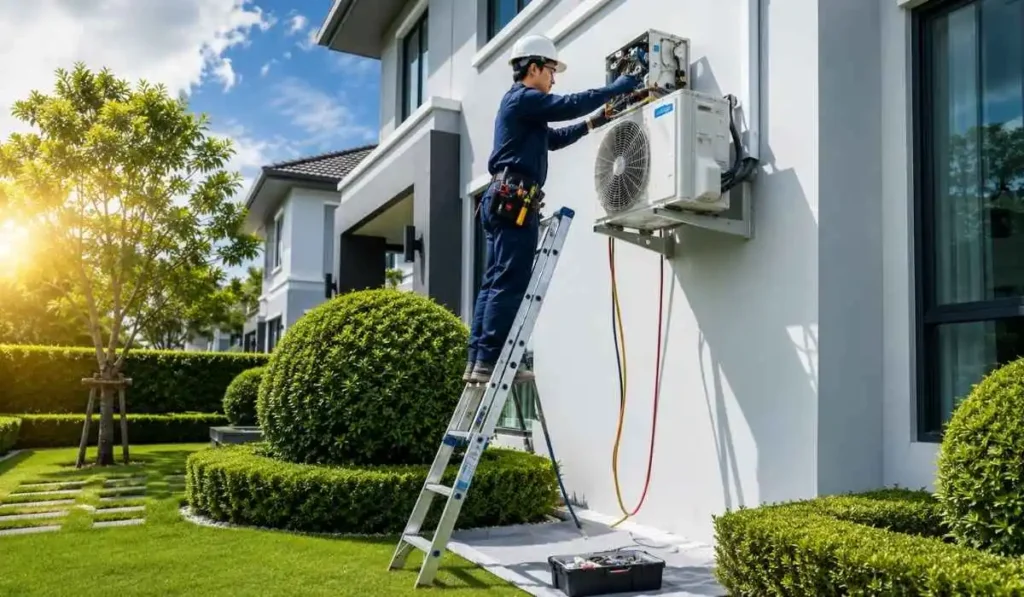
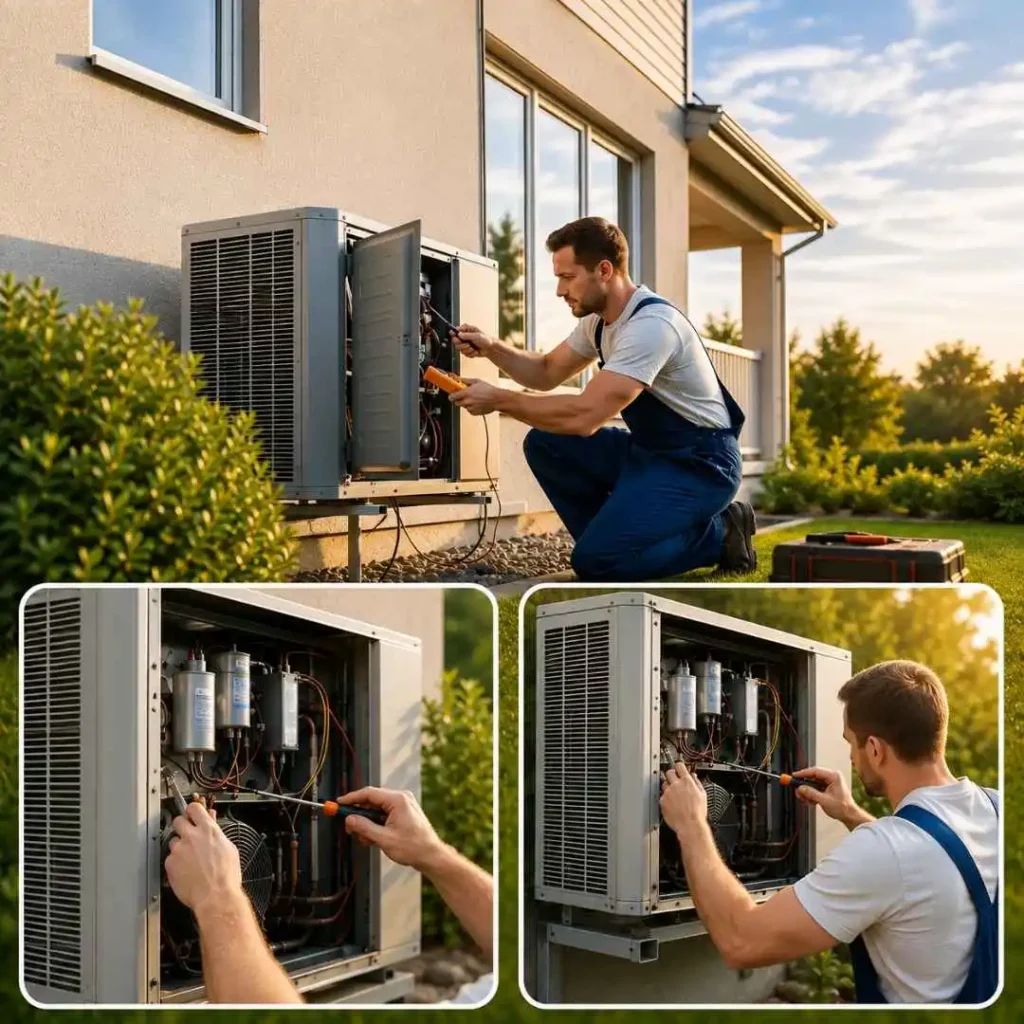
Air conditioning is essential for comfortable living in Dubai, where extreme temperatures place constant demand on cooling systems. Whether you have a split AC, central AC, window AC, or ducted system, problems can develop over time due to continuous usage, dust buildup, electrical issues, or worn components. Understanding common AC problems can help you know when professional AC repair in Dubai is needed. Common Signs Your AC Needs Repair Your air conditioner may show warning signs before it completely stops working. Weak cooling, reduced airflow, unusual sounds, water leakage, frequent shutdowns, and unpleasant odors are common issues that should not be ignored. If your AC is running but not cooling the room effectively, the problem may involve dirty coils, low refrigerant, airflow restrictions, or a faulty component. A proper inspection is important because different problems can produce similar symptoms. AC Not Cooling Repair An AC that is not cooling properly is one of the most common reasons people call for repair services. The technician may inspect the thermostat, air filter, refrigerant level, compressor, fan motor, and other components. The exact repair depends on the cause of the problem. Simply adding refrigerant without identifying a possible leak, for example, may not provide a long-term solution. AC Water Leakage Repair Water leaking from an indoor AC unit can be caused by a blocked condensate drain line, dirty evaporator coil, damaged drain pan, or other system issues. Ignoring water leakage may lead to damage around the unit and create additional problems. Professional AC repair can identify the source of the leak and restore proper drainage. Electrical and Compressor Problems Electrical problems can affect different parts of an AC system. Faulty capacitors, wiring, control boards, sensors, or other electrical components can cause poor performance or prevent the unit from starting. The compressor is another important component that may require professional diagnosis when the AC is not cooling correctly or produces unusual operational sounds. Why Timely AC Repair Matters Small AC problems can sometimes develop into larger issues when ignored. Addressing unusual sounds, poor cooling, leaks, or repeated shutdowns early can help prevent further damage. Professional technicians use appropriate diagnostic tools to inspect the system and determine the actual cause before recommending a repair. FAQs Why is my AC not cooling in Dubai? The cause may include low refrigerant, dirty filters or coils, compressor issues, or airflow problems. A professional inspection can identify the exact reason. Why is my AC leaking water? A blocked drain line, dirty coil, or drainage problem may cause water leakage from an AC unit. Can a technician repair a noisy AC? Yes. Unusual sounds may be related to the fan, motor, loose parts, compressor, or other components that require inspection. Should I repair or replace my AC? The right option depends on the condition, age, and specific problem affecting the unit. Conclusion Professional AC repair in Dubai helps address cooling problems, water leaks, electrical faults, compressor issues, and other common air conditioner concerns. Early inspection and proper repair can help restore system performance and prevent minor issues from becoming more serious.

AC Repair Services in Dubai Marina
Uncategorized

blog

How to Move House in Dubai Marina: Complete Guide Home Blog How to Move House in Dubai Marina: Complete Guide Moving house in Dubai Marina needs careful planning because most homes are in high-rise towers with strict building rules, service elevator schedules, limited loading areas, and move-in or move-out permit requirements. A smooth move depends on early approval, safe packing, proper furniture handling, and a professional moving team that understands Dubai Marina’s residential buildings. Dubai Marina is one of Dubai’s busiest waterfront communities. It has apartment towers, residential complexes, parking restrictions, narrow loading zones, and busy access roads. This makes house moving different from shifting in low-rise areas. Before the moving truck arrives, tenants and homeowners usually need approval from building management or community management. Many Dubai communities require move-in or move-out permits, and Dubai Marina is listed among areas where such permits may apply. Why Moving House in Dubai Marina Needs Extra Planning Moving in Dubai Marina is not only about packing boxes and hiring a truck. The main challenge is building coordination. Many towers require residents to book a service elevator, submit moving company details, provide vehicle information, and follow approved moving hours. If these steps are missed, security may stop the moving team at the entrance. Some communities and developers require approvals before moving activities begin, and access may be denied without the correct permit. This is why residents should plan the move at least a few days before the actual date. Early planning helps avoid elevator delays, parking issues, extra labor time, and last-minute cancellation. For a detailed step-by-step checklist, read our Complete Moving Checklist Dubai to make your move easier. Step-by-Step Guide to Move House in Dubai Marina 1. Confirm Your Moving Date Start by choosing a moving date that works for both your old and new building. Dubai Marina can be busy during weekends, evenings, and peak traffic hours. A weekday morning is often easier for loading, transport, and unloading. Before confirming the date with your movers, ask both buildings about allowed moving timings. Some properties only allow moving during fixed hours. For example, certain Dubai Properties move-ins are allowed during specific daytime hours and require requests in advance. 2. Apply for Move-In or Move-Out Permit A move-in or move-out permit is one of the most important steps when moving house in Dubai Marina. The exact process depends on your building developer or property management company. You may need to provide: Tenant or owner details Emirates ID or visa copy Ejari contract DEWA bill or account details Moving date and time Moving company name Vehicle details Contact person details Some developers provide approvals through apps or online portals. Property Finder notes that Emaar, Nakheel, and Dubai Properties have their own procedures for move-in and move-out permissions. 3. Book the Service Elevator Most Dubai Marina apartment towers do not allow movers to use passenger elevators for furniture, cartons, or appliances. The service elevator must be booked in advance. This protects residents, elevators, walls, and common areas. Some community rules also state that apartment moves should use service lifts only. Share the elevator timing with your moving company. This helps the team plan labor, packing, loading, and unloading without wasting time. 4. Hire Professional House Movers in Dubai Marina A professional house moving company can handle packing, dismantling, loading, transport, unloading, and furniture reassembly. This is especially useful in Dubai Marina because movers must work within building rules and elevator time slots. Service Max UAE can support different types of relocation, including house moving, apartment moving, villa moving, furniture moving, and office moving in Dubai. For Dubai Marina homes, trained movers can protect fragile items, wrap furniture, manage heavy lifting, and coordinate the move inside high-rise buildings. 5. Declutter Before Packing Before packing starts, separate items you use, items you want to donate, and items you no longer need. This reduces moving cost, packing material, and loading time. Focus on: Old clothes Unused kitchen items Broken furniture Extra décor pieces Expired products Duplicate household items A smaller load means faster packing and easier setup in your new home. 6. Pack Room by Room Room-by-room packing keeps the move organized. Start with items you use less often, such as books, décor, extra bedding, and seasonal clothes. Keep daily-use items for the final packing stage. Use strong cartons, bubble wrap, stretch film, packing tape, corner protectors, and labels. Write the room name on every box. For example, label boxes as “Kitchen,” “Master Bedroom,” “Living Room,” or “Fragile Glassware.” This helps movers place boxes in the correct rooms after unloading. 7. Protect Furniture Before Moving Furniture moving is one of the most sensitive parts of a house move. Beds, wardrobes, sofas, dining tables, TV units, mirrors, and glass tops need proper handling. Large furniture should be dismantled before moving. Wooden items should be wrapped with moving blankets or stretch film. Glass items should be packed with bubble wrap and marked as fragile. Professional furniture movers can also reassemble beds, tables, wardrobes, and cabinets after delivery. 8. Arrange Parking and Loading Access Dubai Marina has limited space for moving trucks. Many towers have dedicated loading bays or basement access rules. Ask building management where the moving vehicle can park. Give the driver clear instructions before arrival. This avoids blocked entrances, parking fines, and delays. If the loading area is far from the elevator, movers may need extra time for shifting boxes and furniture. 9. Move and Unload Carefully On moving day, keep your permit, building approval, and contact details ready. Security may ask for approval before allowing the truck or moving team inside. During unloading, guide the movers about where to place furniture and cartons. Check fragile items, electronics, appliances, and furniture condition before the team leaves. Common Challenges When Moving in Dubai Marina The most common challenges include elevator delays, parking restrictions, tight corridors, high-rise access, traffic around Marina roads, and incomplete building approvals. Another issue is poor packing. Weak cartons, uncovered furniture, and unlabelled boxes can create

Uncategorized

blog

How to Move House in Dubai Marina: Complete Guide Home Blog How to Move House in Dubai Marina: Complete Guide Moving house in Dubai Marina needs careful planning because most homes are in high-rise towers with strict building rules, service elevator schedules, limited loading areas, and move-in or move-out permit requirements. A smooth move depends on early approval, safe packing, proper furniture handling, and a professional moving team that understands Dubai Marina’s residential buildings. Dubai Marina is one of Dubai’s busiest waterfront communities. It has apartment towers, residential complexes, parking restrictions, narrow loading zones, and busy access roads. This makes house moving different from shifting in low-rise areas. Before the moving truck arrives, tenants and homeowners usually need approval from building management or community management. Many Dubai communities require move-in or move-out permits, and Dubai Marina is listed among areas where such permits may apply. Why Moving House in Dubai Marina Needs Extra Planning Moving in Dubai Marina is not only about packing boxes and hiring a truck. The main challenge is building coordination. Many towers require residents to book a service elevator, submit moving company details, provide vehicle information, and follow approved moving hours. If these steps are missed, security may stop the moving team at the entrance. Some communities and developers require approvals before moving activities begin, and access may be denied without the correct permit. This is why residents should plan the move at least a few days before the actual date. Early planning helps avoid elevator delays, parking issues, extra labor time, and last-minute cancellation. For a detailed step-by-step checklist, read our Complete Moving Checklist Dubai to make your move easier. Step-by-Step Guide to Move House in Dubai Marina 1. Confirm Your Moving Date Start by choosing a moving date that works for both your old and new building. Dubai Marina can be busy during weekends, evenings, and peak traffic hours. A weekday morning is often easier for loading, transport, and unloading. Before confirming the date with your movers, ask both buildings about allowed moving timings. Some properties only allow moving during fixed hours. For example, certain Dubai Properties move-ins are allowed during specific daytime hours and require requests in advance. 2. Apply for Move-In or Move-Out Permit A move-in or move-out permit is one of the most important steps when moving house in Dubai Marina. The exact process depends on your building developer or property management company. You may need to provide: Tenant or owner details Emirates ID or visa copy Ejari contract DEWA bill or account details Moving date and time Moving company name Vehicle details Contact person details Some developers provide approvals through apps or online portals. Property Finder notes that Emaar, Nakheel, and Dubai Properties have their own procedures for move-in and move-out permissions. 3. Book the Service Elevator Most Dubai Marina apartment towers do not allow movers to use passenger elevators for furniture, cartons, or appliances. The service elevator must be booked in advance. This protects residents, elevators, walls, and common areas. Some community rules also state that apartment moves should use service lifts only. Share the elevator timing with your moving company. This helps the team plan labor, packing, loading, and unloading without wasting time. 4. Hire Professional House Movers in Dubai Marina A professional house moving company can handle packing, dismantling, loading, transport, unloading, and furniture reassembly. This is especially useful in Dubai Marina because movers must work within building rules and elevator time slots. Service Max UAE can support different types of relocation, including house moving, apartment moving, villa moving, furniture moving, and office moving in Dubai. For Dubai Marina homes, trained movers can protect fragile items, wrap furniture, manage heavy lifting, and coordinate the move inside high-rise buildings. 5. Declutter Before Packing Before packing starts, separate items you use, items you want to donate, and items you no longer need. This reduces moving cost, packing material, and loading time. Focus on: Old clothes Unused kitchen items Broken furniture Extra décor pieces Expired products Duplicate household items A smaller load means faster packing and easier setup in your new home. 6. Pack Room by Room Room-by-room packing keeps the move organized. Start with items you use less often, such as books, décor, extra bedding, and seasonal clothes. Keep daily-use items for the final packing stage. Use strong cartons, bubble wrap, stretch film, packing tape, corner protectors, and labels. Write the room name on every box. For example, label boxes as “Kitchen,” “Master Bedroom,” “Living Room,” or “Fragile Glassware.” This helps movers place boxes in the correct rooms after unloading. 7. Protect Furniture Before Moving Furniture moving is one of the most sensitive parts of a house move. Beds, wardrobes, sofas, dining tables, TV units, mirrors, and glass tops need proper handling. Large furniture should be dismantled before moving. Wooden items should be wrapped with moving blankets or stretch film. Glass items should be packed with bubble wrap and marked as fragile. Professional furniture movers can also reassemble beds, tables, wardrobes, and cabinets after delivery. 8. Arrange Parking and Loading Access Dubai Marina has limited space for moving trucks. Many towers have dedicated loading bays or basement access rules. Ask building management where the moving vehicle can park. Give the driver clear instructions before arrival. This avoids blocked entrances, parking fines, and delays. If the loading area is far from the elevator, movers may need extra time for shifting boxes and furniture. 9. Move and Unload Carefully On moving day, keep your permit, building approval, and contact details ready. Security may ask for approval before allowing the truck or moving team inside. During unloading, guide the movers about where to place furniture and cartons. Check fragile items, electronics, appliances, and furniture condition before the team leaves. Call Us +971508639570 Email info@servicemaxuae.com WhatsApp +97150863 9570 Free Quote Click Here Common Challenges When Moving in Dubai Marina The most common challenges include elevator delays, parking restrictions, tight corridors, high-rise access, traffic around Marina roads, and incomplete building approvals. Another issue

Bluebix Technical Services provides best AC repair, installation, maintenance, cleaning, and HVAC services across Dubai with fast, professional support.

Contact

Address: 14C St - Al Quoz ind.fourth - Al Quoz - Dubai

Copyright © 2026 All Right Reserved BlueBix HVAC

Scroll to Top