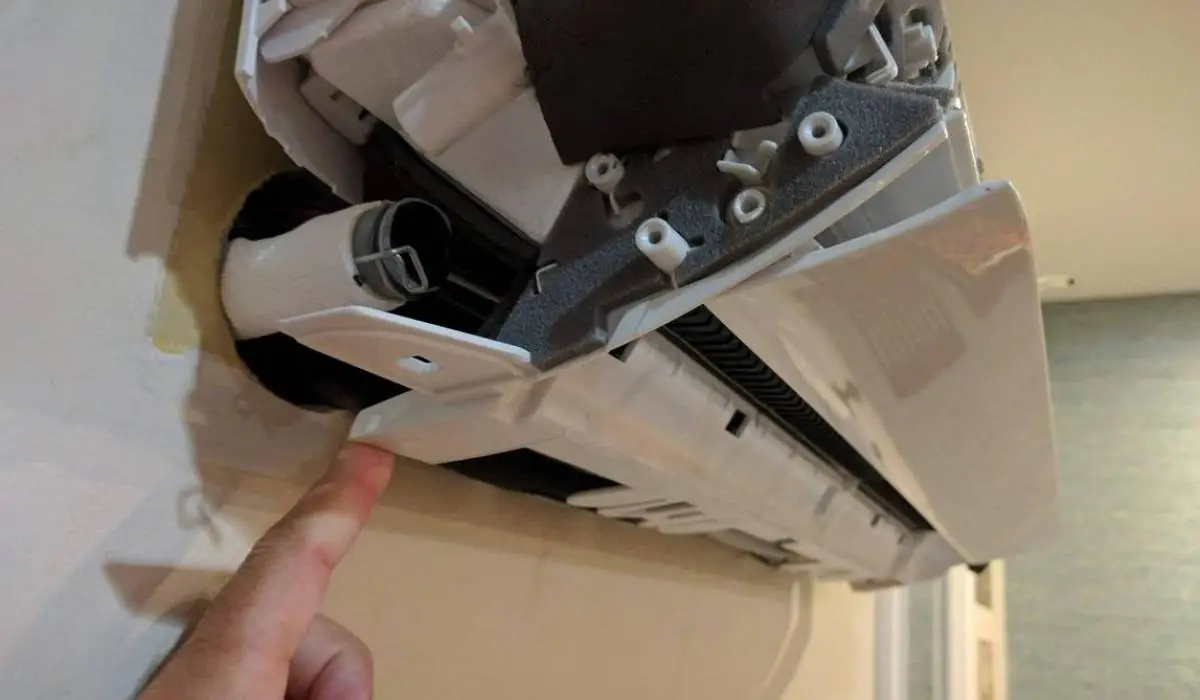
Water pooling under or around a split AC usually means something is wrong with its drainage, airflow, installation, or internal parts. A clogged condensate drain, dirty filter, frozen evaporator coil, damaged drain pan, or low refrigerant can all cause water to leak from the indoor unit. The first thing to check is where the water is coming from, as the leak location can point to the underlying problem.
Water leaking from the indoor unit, drain pipe, front panel, or underneath the AC can have different causes. A blocked condensate drain may cause water to back up, while a dirty filter or low refrigerant can lead to a frozen evaporator coil and excess water when the ice melts. Improper installation, a damaged drain pan, and poor drainage can also cause recurring leaks.
Before troubleshooting a leaking split AC, check which mode it is running in. During the cooling cycle, the evaporator coil removes moisture from indoor air, creating condensation that normally drains outside. If water is leaking from the indoor unit while the system is in heat mode, that is not typical. It may indicate a drainage, installation, or component issue that needs closer inspection by an experienced AC technician in Dubai.
Water leaking from the bottom of a split AC usually means condensation is not draining away correctly or the indoor unit cannot contain it. In Dubai, dust, humidity, and installation issues can make these problems more noticeable.
Water leaking from inside a split AC often points to an airflow, refrigerant, or moisture-related problem. In Dubai’s humid conditions, these issues can lead to excess condensation, ice buildup, and water dripping from the indoor unit.
Several problems can interrupt normal condensation drainage or cause excess moisture inside the system. The most common causes include airflow restrictions, blocked drainage, damaged components, refrigerant problems, and incorrect indoor unit positioning.
A dirty air filter restricts airflow across the evaporator coil, making the coil colder than it should be. In some cases, ice begins to build up on the coil. When the AC is switched off or the airflow improves, that ice melts and can produce more water than the drain system handles. Continuing to run the system with a frozen coil can place extra strain on the AC and lead to further damage.
The condensate drain line carries water collected from the evaporator coil and drain pan to the outside. Over time, dust, dirt, algae, or mold can build up inside the line and restrict the flow. Once the passage is blocked, condensation has nowhere to go. Water can then back up into the indoor unit and overflow from the drain pan, causing dripping or pooling around the AC.
The drain pan sits beneath the evaporator coil and collects condensation before it enters the drain line. Older split AC units can develop rust, corrosion, cracks, or other damage in this pan. When it can no longer hold condensation properly, water may escape from the bottom of the indoor unit instead of reaching the drain outlet. A damaged pan may need professional inspection and replacement.
Low refrigerant can cause the evaporator coil to become unusually cold and develop ice, creating a similar water-leak problem to a dirty air filter. As the ice melts, water can collect around the indoor unit and drip inside. Refrigerant does not normally get used up during regular AC operation, so a low level usually indicates a refrigerant leak. Finding and repairing the leak should come before recharging the system.
A split AC indoor unit must be mounted at the correct position to allow condensation to move toward the drain outlet. If the unit has an incorrect tilt, water can collect at the base instead of flowing through the drain line. This can happen after DIY installation or when an inexperienced installer does not set the drainage angle correctly. Repositioning the indoor unit may be necessary to restore proper drainage.
Leak Location | Most Likely Cause & Quick Fix |
From the bottom/base | Clogged drain line or damaged drain pan. Clear the blockage or replace the damaged pan. |
From inside during operation | Frozen evaporator coil from a dirty filter or low refrigerant. Turn off the AC, let the coil thaw, then check the filter and refrigerant system. |
Only during cooling mode | Condensation drainage problem. Check the condensate drain line and drain pan for blockage or overflow. |
During heat mode | Not typical. Water leakage in heat mode needs professional diagnosis to identify the underlying fault. |
From the wall behind the unit | Improper installation tilt or drainage alignment. Have a professional check and adjust the indoor unit and drain connection. |
It is not recommended to keep using a split AC while it is leaking water. Continued operation can worsen water damage to walls, ceilings, or floors and create conditions that encourage mold growth. If the leak is caused by a frozen evaporator coil, running the system can also place additional strain on the compressor. Turn off the AC and have the cause identified before restarting it, especially if the leak continues.
Yes. Turn off your split AC as soon as you notice water leaking from the indoor unit. Stopping the system helps limit water exposure around walls, floors, and furniture while reducing the risk of further damage to the AC. Leave it off while you identify the cause or wait for an AC technician to inspect the drainage, evaporator coil, refrigerant, or other components.
Some split AC leaks can be linked to a dirty filter or blocked drain, but not every problem is safe or practical to handle yourself. Professional inspection is the better option when the leak keeps returning, freezing continues, or the source is unclear.
For same-day AC inspection and repair in Dubai, contact Bluebix Technical Services.
When a split AC is leaking water, accurate diagnosis matters because the leak location can point to a very different underlying fault.
👉🏻Discover More About Unique About {How Often Should a Split AC Be Serviced? }
A split AC can leak water indoors when a dirty filter restricts airflow and causes the evaporator coil to freeze, or when low refrigerant creates the same effect. An incorrect indoor unit tilt or drainage problem can also cause condensation to overflow inside the room.
Water draining outside through the condensate pipe is a normal part of AC operation, especially during cooling. However, water dripping from the indoor unit, wall, or floor is not normal and should be checked to prevent further damage.
The cost depends on what is causing the leak, such as a blocked drain line, damaged drain pan, frozen coil, or refrigerant issue. Bluebix Technical Services can inspect the system first and confirm the required repair before you commit to the work.
Yes, a dirty filter can cause a split AC to leak by restricting airflow across the evaporator coil. The coil may freeze, and when the accumulated ice melts, the excess water can drip from the indoor unit.
A leaking split AC should be inspected as soon as possible, particularly if water is reaching walls, ceilings, floors, or electrical components. Prompt repair can help limit water damage and prevent a minor drainage or cooling problem from becoming more serious.
Yes, prolonged AC water leakage can damage paint, drywall, ceilings, and surrounding surfaces, while persistent moisture can encourage mold growth. If your indoor unit keeps leaking, Bluebix Technical Services can identify the source and recommend the appropriate repair in Dubai.
When a split AC starts leaking water, the location of the leak is often the fastest clue to what is wrong. A blocked condensate drain, dirty filter, frozen evaporator coil, damaged drain pan, or installation issue can usually be identified and fixed once the source is clear. If your AC is leaking indoors, contact Bluebix Technical Services for same-day split AC leak diagnosis and repair in Dubai.

Bluebix Technical Services provides best AC repair, installation, maintenance, cleaning, and HVAC services across Dubai with fast, professional support.
Copyright © 2026 All Right Reserved BlueBix HVAC